 Scott Sistek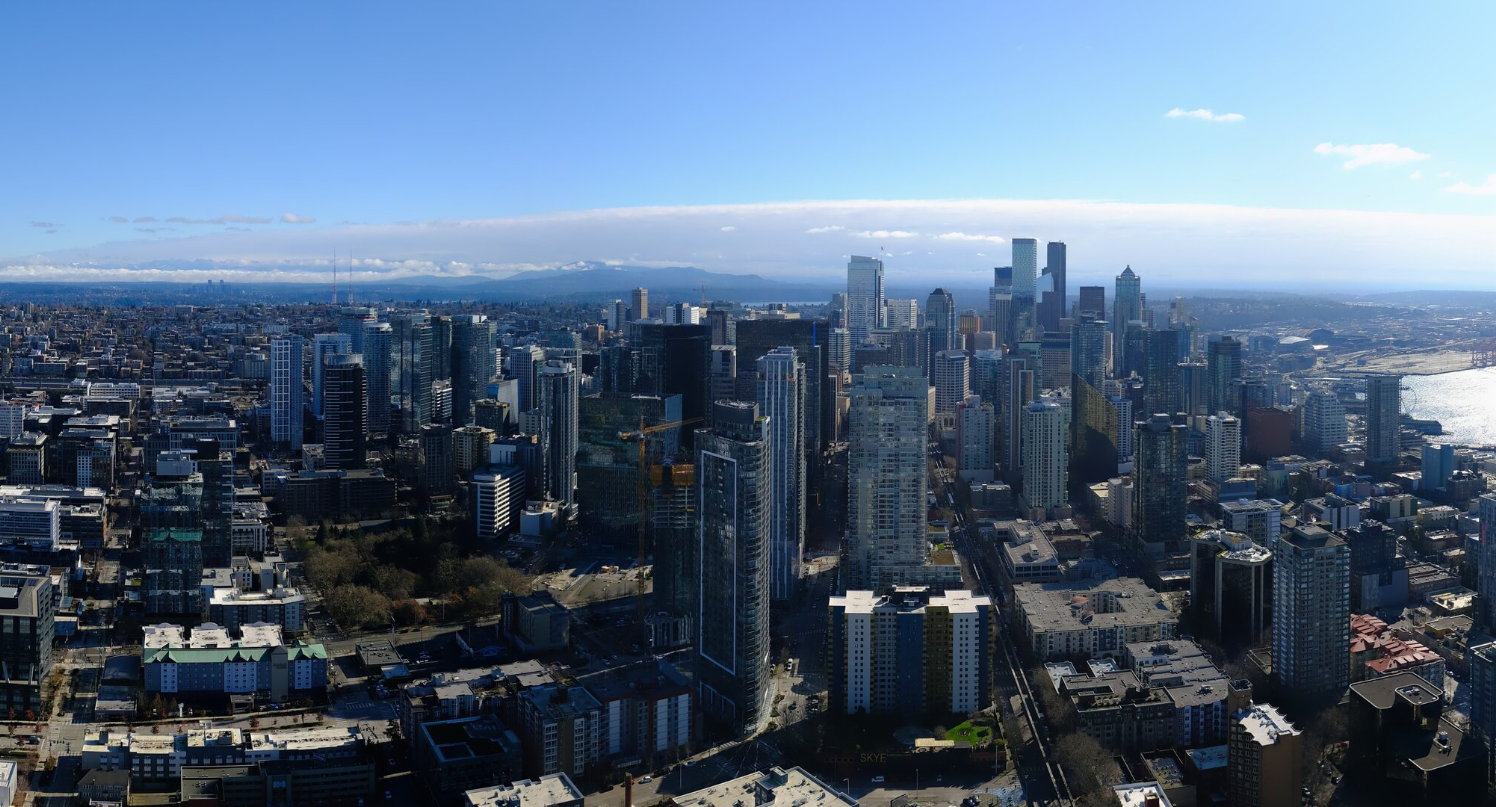
Seattle Skyline in late Feb. (Photo: Space Needle Web Camera)
“IMPOSTER!”
“WE WERE ROBBED!”
“BOOOOO!”
“THE PATRIOTS AND 49ERS PUT UP A BETTER FIGHT!”
“OWW!”*
(*Skiers and snowboarders)
That’s what many in the Pacific Northwest who love winter weather or prefer to ski and snowboard on something besides random rocks are probably mentally (or literally?) shouting at La Niña now that “Meteorological” Winter (Dec. 1-Feb. 28) is over, and the grim numbers are in.
To quickly recap: La Niña is the cool phase of the El Niño/La Niña oscillation where tropical waters in the central Pacific Ocean go through warm and cool cycles every few years. La Niña usually adjusts global weather patterns and the jet streams to give the Pacific Northwest frequent and extended bouts of cooler and wetter weather.
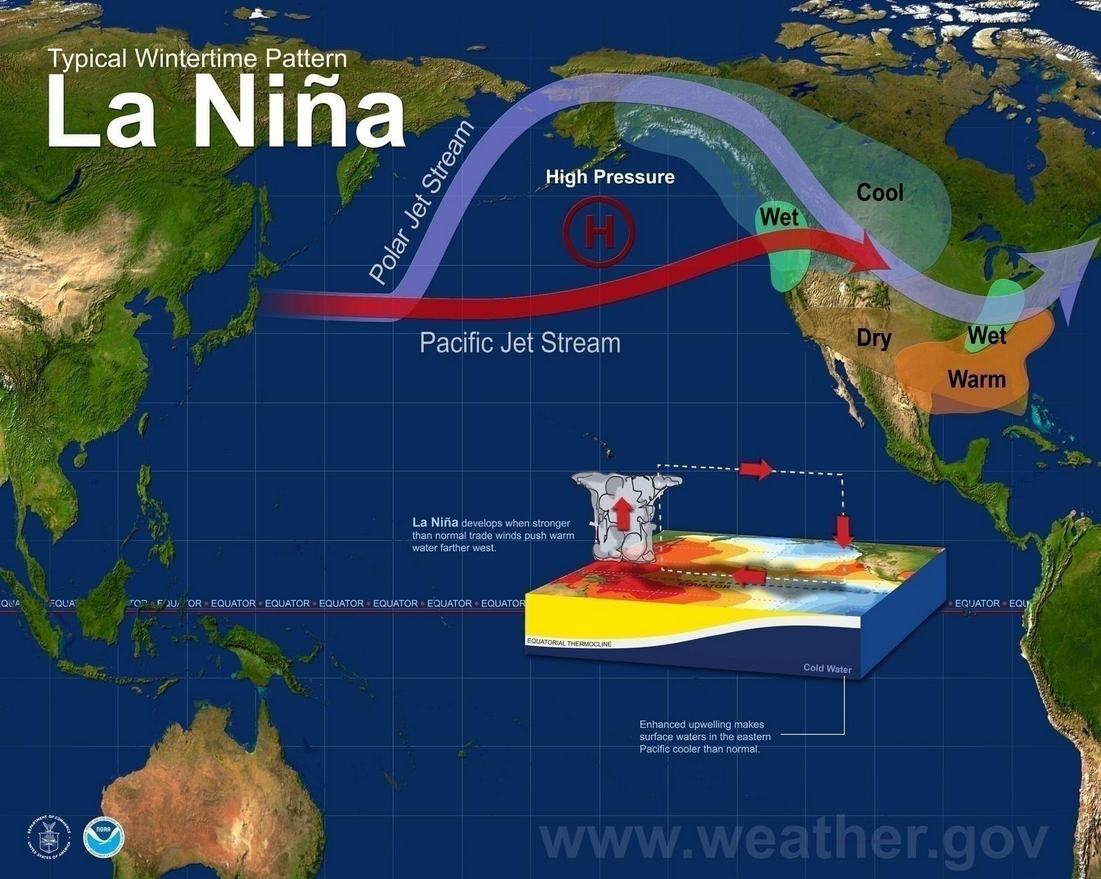
It’s the pattern skiers and lowland snow lovers usually root for because they typically lead to a great ski season and some lowland snow days.
This winter was a fairly weak La Niña — barely over the threshold, but still qualified.
Yet, Seattle (Sea-Tac) finished up Meteorological Winter* with an average high temperature (49.5) — tied for the 8th warmest.
(*Yes, by the Earth’s tilt, traditional spring doesn’t begin until the vernal equinox on March 20/21 but for weather stat-keeping purposes, we use the “meteorological” seasons that begin on March 1, June 1, Sept. 1 and Dec. 1 respectively.)
But every winter that ranked warmer in Seattle was an El Niño winter — La Nina’s opposite phase, and when we usually expect, mild, drier winters.
The milder air really hurt because Seattle’s winter precipitation (14.56”) was actually within shouting distance of average, though still about an inch below average. (And again, we would have expected a wetter than average winter.)
We had plenty of rain early in the season (and November too, which counts under autumn’s tally) but they were mostly the result of warm, atmospheric river events that all fell as rain in the mountains, and little to no help in building a decent snowpack.
Then the Polar Vortex came and the weather pattern got stuck tossing the East into an extended ice box while warm ridges of high pressure got stuck across the West. It knocked La Nina’s typical weather influence out of whack.
SEATTLE: AS MUCH SNOW AS PARTS OF FLORIDA
That meant La Niña wasn’t any help for lowland snow in Seattle either. Officially, it snowed for all of 73 minutes in Seattle over a course of two days, and never with temperatures cooler than 37 degrees. It officially counted as a “trace” of snow, saving it from the indignity of zero snowfall that two other winters suffered through.
But of the 10 winters Seattle received 0 or just a Trace of snowfall in winter, how many of them were fellow La Niña winters?
Zero.
The worst La Niña winter for lowland snow before this winter was 1983-84 which was also a weak La Niña that managed 0.3” of official snowfall at Sea-Tac.
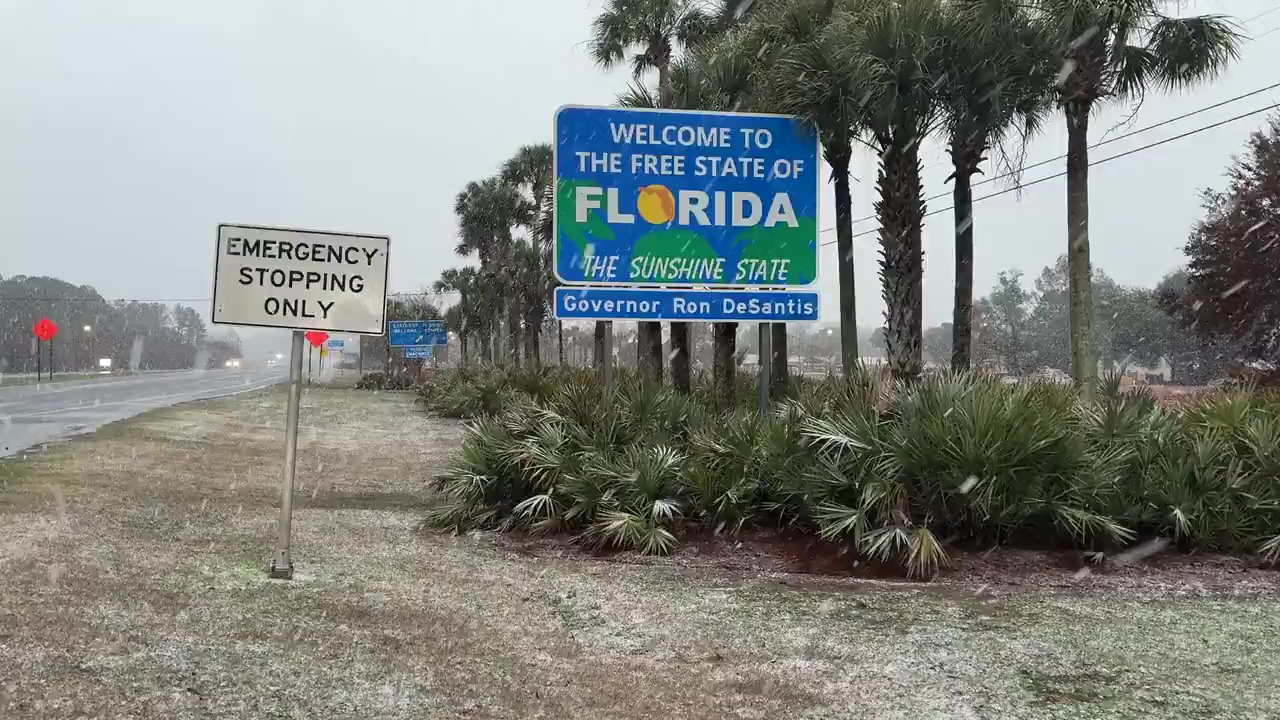
But you know who did get more snow than Seattle? Dallas (2.4 inches), Atlanta (0.2”) and Savannah (0.5”).
In Florida: Pensacola, Tallahassee and Jacksonville all tied Seattle with a Trace of snow.
SO WHAT’S NEXT FOR SEATTLE WINTERS?
NOAA’s forecasters who monitor the La Niña cycle now say the odds on favorite for next winter is to switch to El Niño.
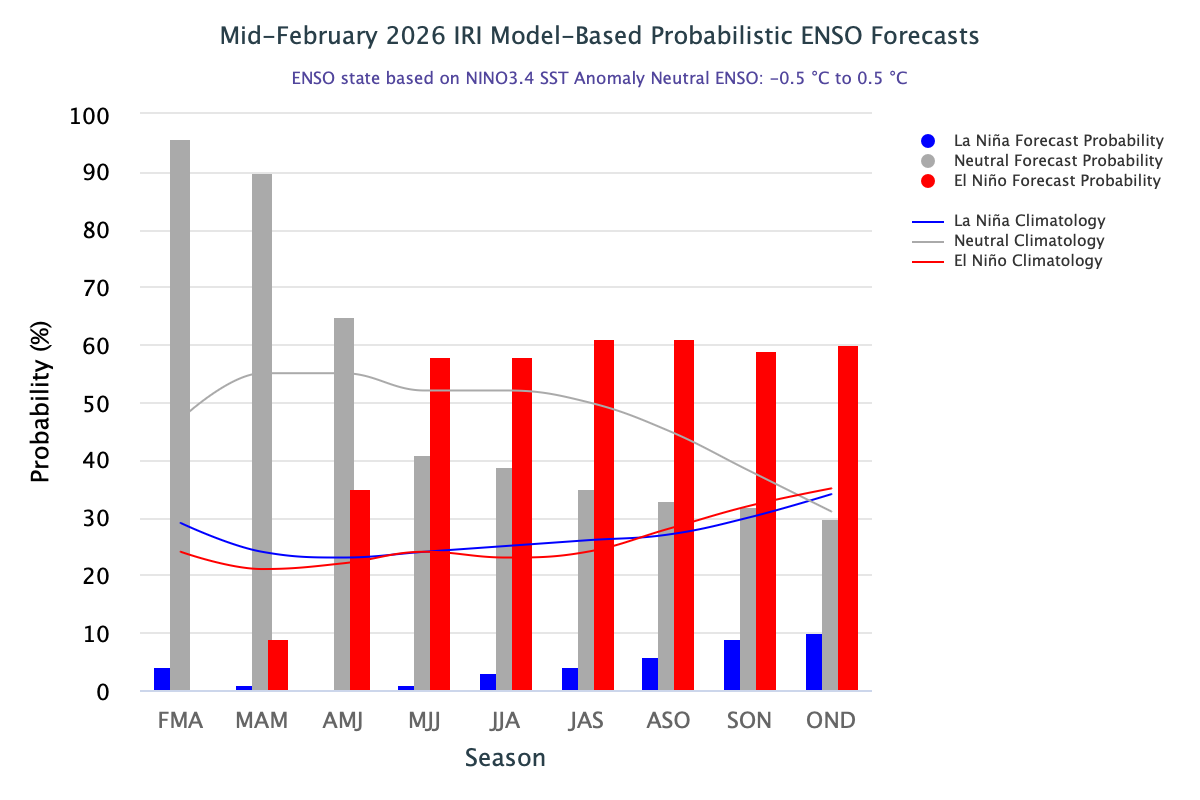
That would jive with the usual cycle of La Niña/El Niño and some forecast models are leaning that way too, though it’s important to note that it’s difficult to see beyond the spring months (they call it the “spring forecast barrier”) because the cycle and its influence usually fade in the spring so it’s difficult to discern what it’s got coming next.
But if El Niño really is in the cards for next winter, then winter weather lovers have to hope the cycle goes haywire again in the opposite direction, because El Niño winters, as mentioned earlier, usually end up on the mild and dry side with below-average snowpack.
So if you’ll excuse me, I’ll be researching sources for new “Emergency Kittens” videos to get us through it all 😜
MORE TO EXPLORE:
- Uh oh: El Niño lurks in the long range forecast for later this year
- March ‘in like a lion’? More like a ‘Squishmallow’…
- It has finally snowed in Seattle this year… for 34 minutes (so far)