‘I have to get the baby’: A Vancouver mother’s sacrifice during the Northwest’s deadliest tornado
 Scott Sistek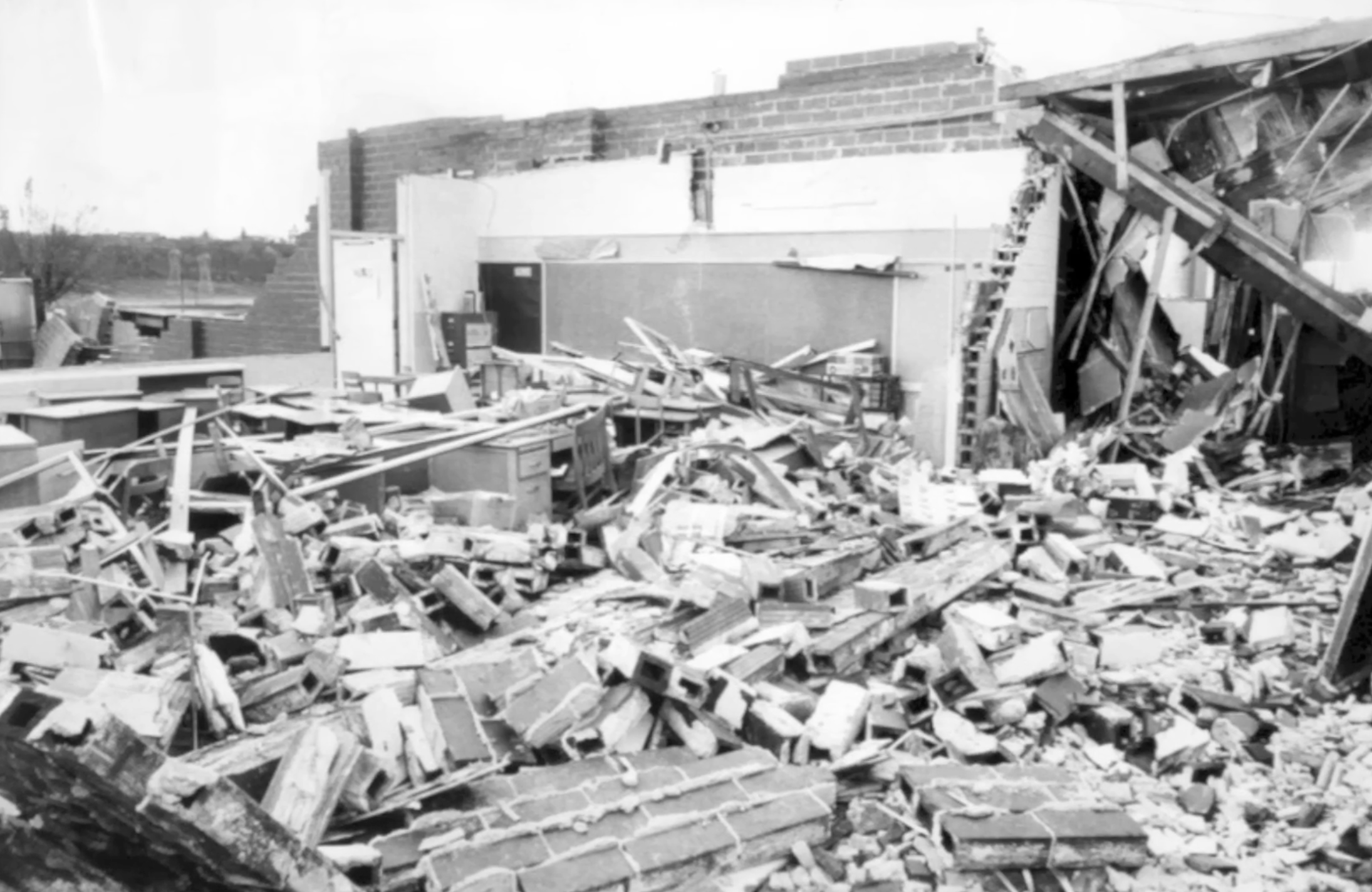
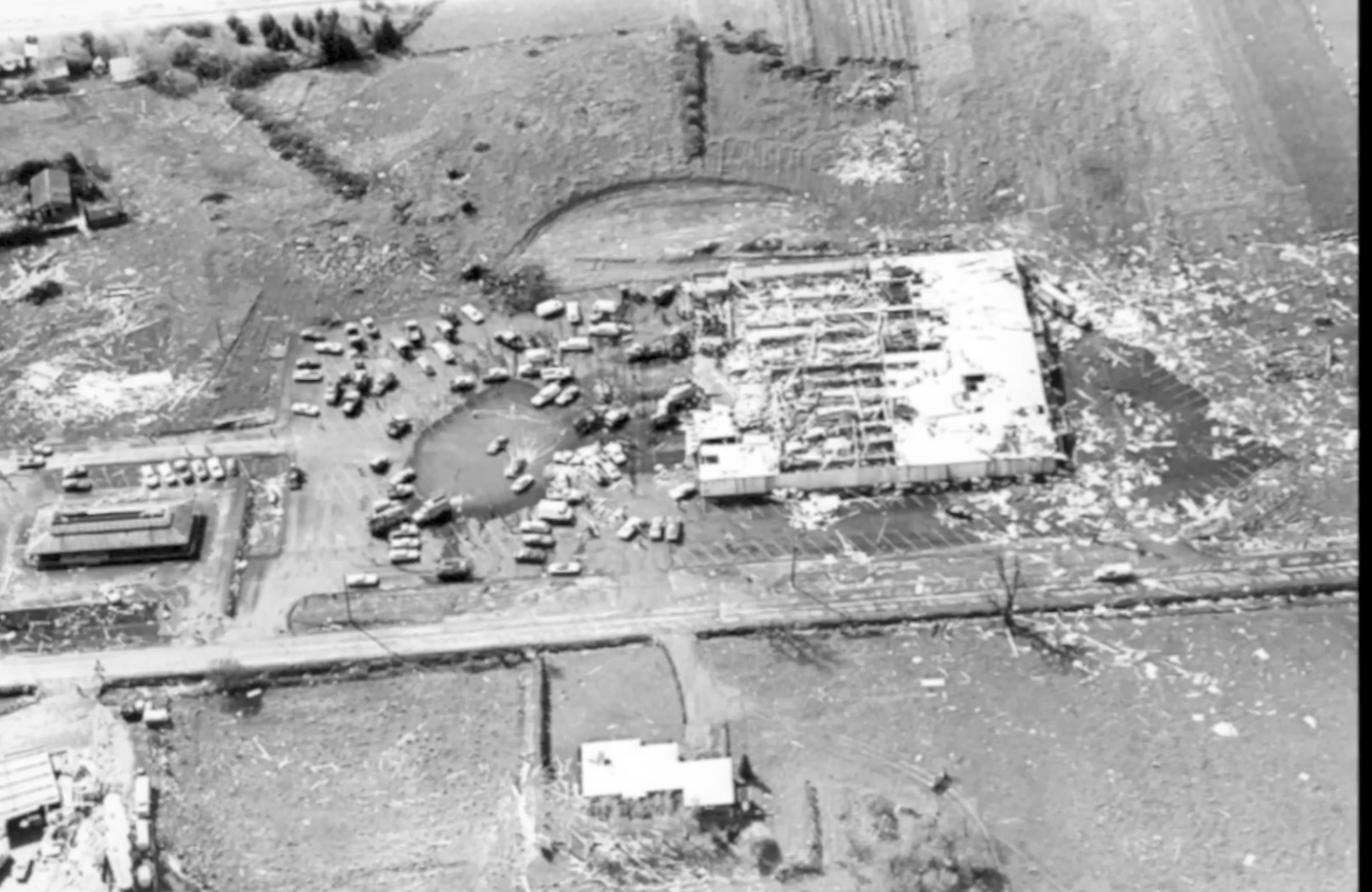
Damage from Vancouver 1972 tornado. (Photo: NWS)
Scott’s note: I’m republishing this article here Sunday on the 54th anniversary of the Vancouver tornado.
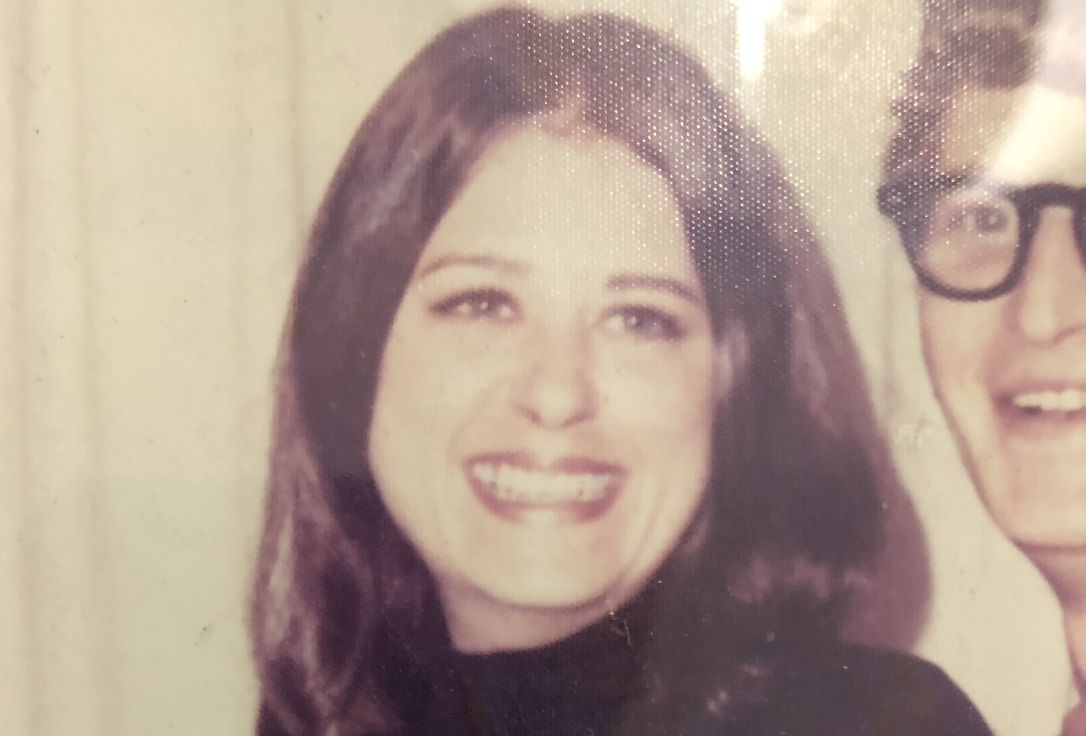
Rick Graser’s mom is a hero.
Sharon Graser died more than 53 years ago while saving a dozen kids as the Northwest’s strongest tornado on record tore through part of Vancouver, Washington. Now her son wants to use her legacy to help warn others in the Northwest about the dangers of twisters — and how, while they may be exceedingly rare in the Pacific Northwest, they are not impossible, as he, his family, and thousands of others found out that fateful spring day.
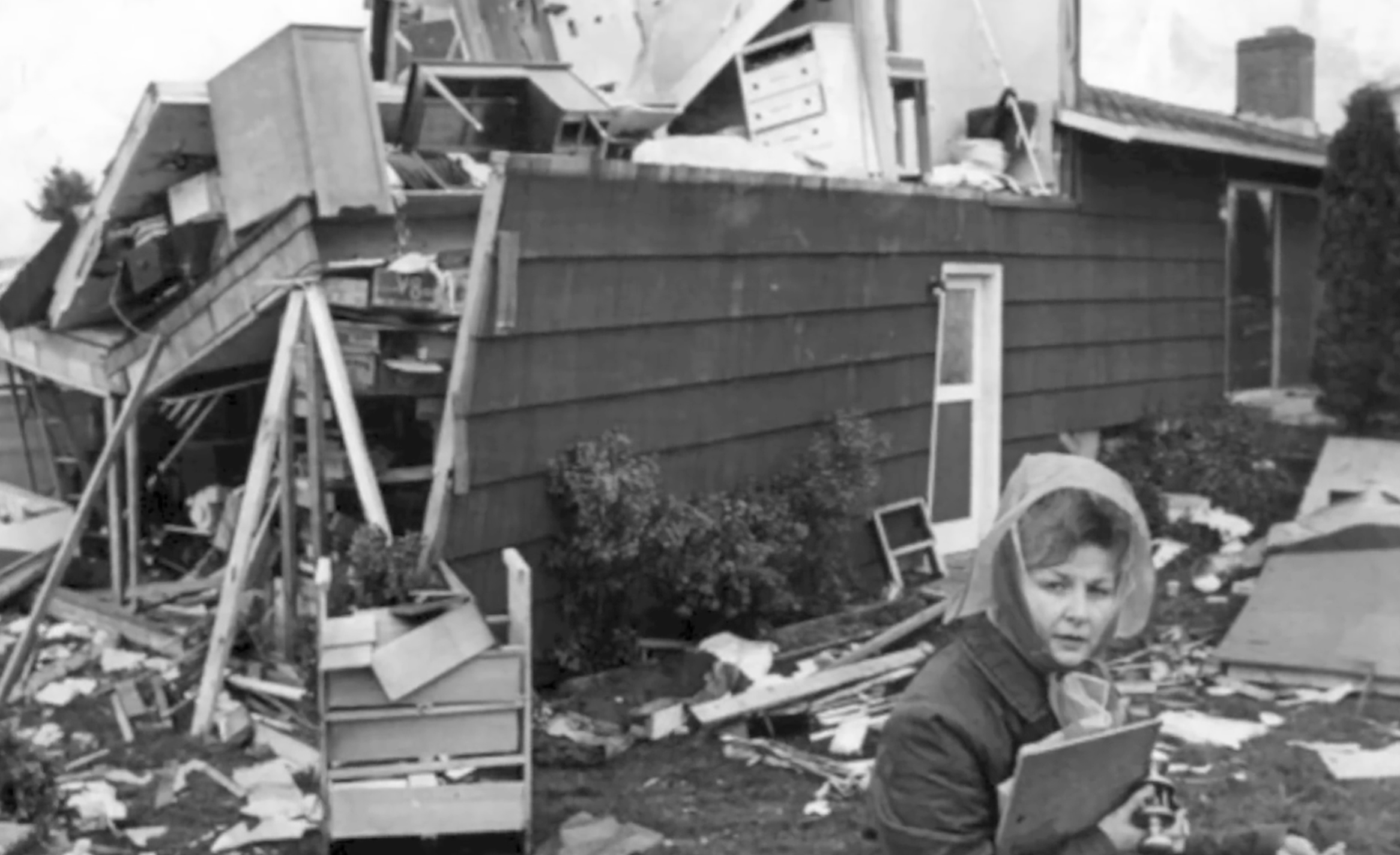
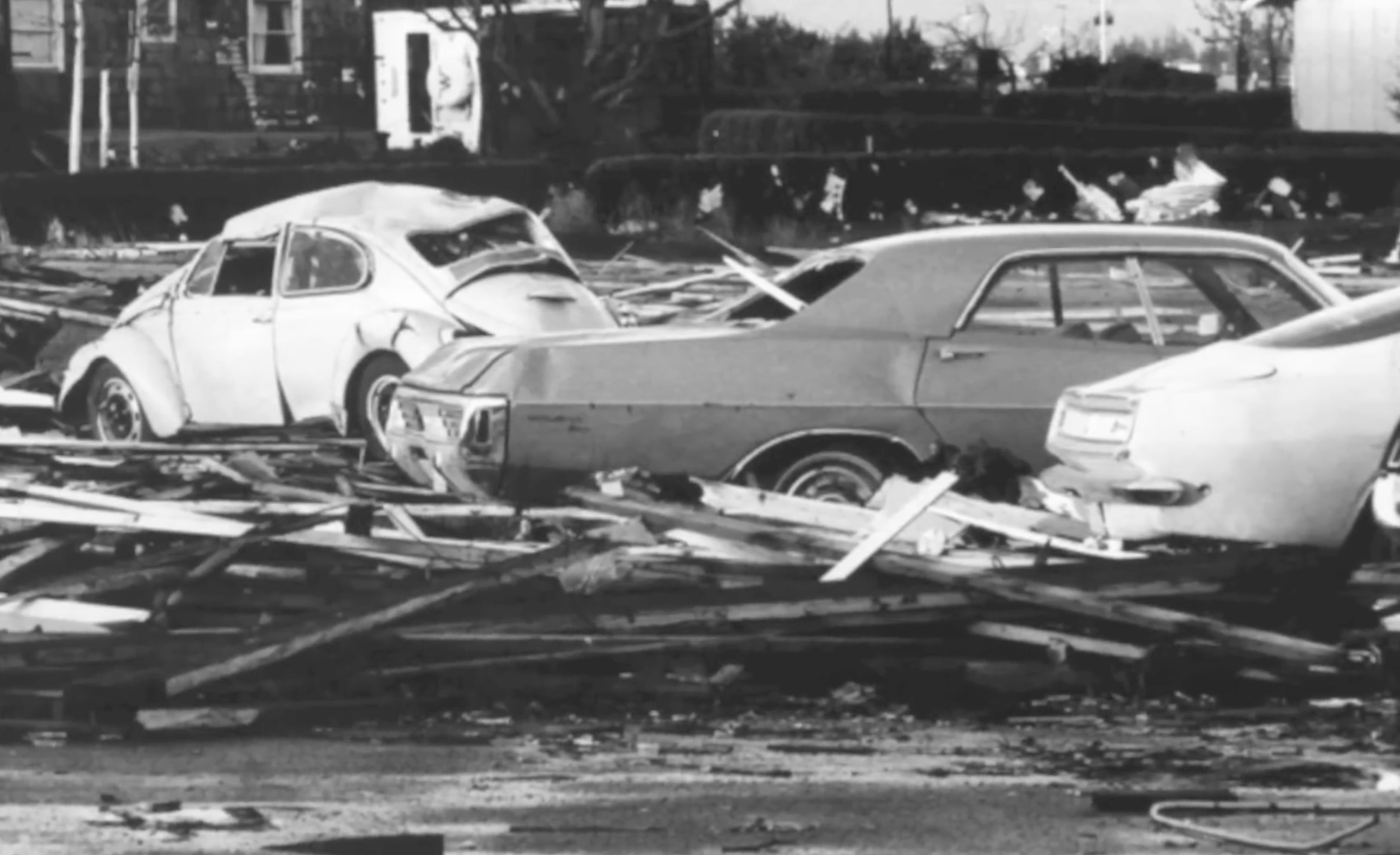
April 5, 1972, remains seared into the minds of those who experienced the sheer horror. The F3 tornado first touched down in Portland, then intensified as it crossed the Columbia River and into the heart of Vancouver.
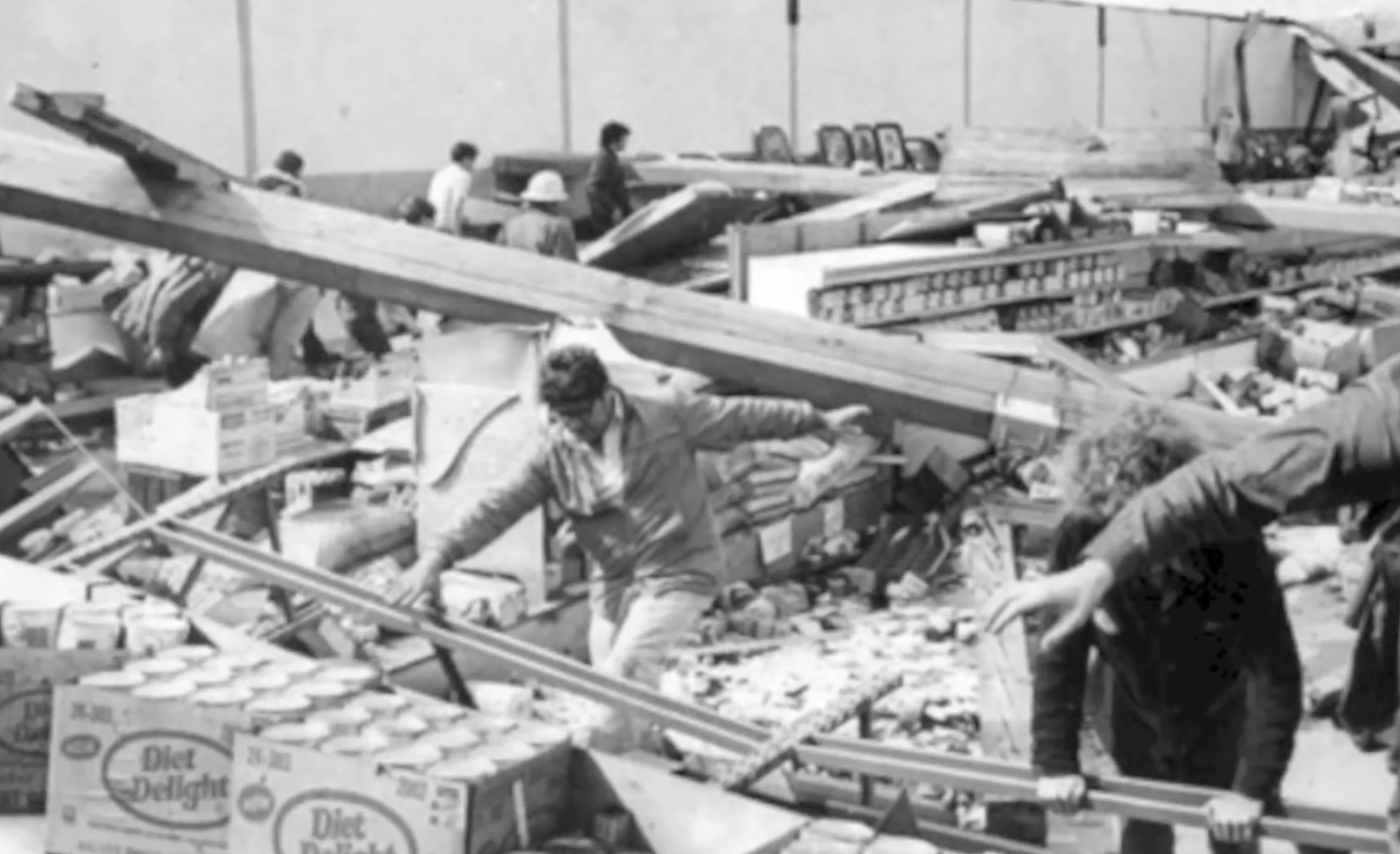
The twister left most of Peter S. Ogden Elementary School in rubble before destroying a bowling alley and large discount store, leaving six dead and 300 injured, including dozens of students.
Rick Graser was 12 years old and a sixth grader at Peter S. Ogden. His mom was the head of a daycare about a mile up the road at Sunrise Lanes.
“My mom was in charge of the kids at the nursery that day,” he said. “She loved those kids. Back then, when someone watched your child, responsibility meant something. You dropped your kid off and you didn’t have to worry. She took that seriously.”
‘This was not a peaceful calm’
Graser said the day started out like a normal day. A future 9th round draft pick of the Seattle Mariners, Graser was out playing on the baseball field with friends during lunch. But the sky began looking quite ominous.
“I’d been watching the sky all morning,” Rick said. “I’ve always been really tuned in to weather. My dad and I fished a lot, and I learned how to read storms coming in. That day, something just felt wrong. I remember telling my buddies, ‘Man, this is bad. I just sense evil.’ It didn’t feel like a normal storm. It felt wicked… The sky was so black the streetlights came on at noon.”
He remembers the hail first.
“I heard this weird whistling sound, and then bam — ice hitting the ground,” he said as they took cover under an awning. “Then another, and another. These weren’t little pea-sized hailstones. They were all as big as golf balls. I’d never seen anything like it in the Northwest.”
Some of the hailstones had lumped together into much larger stones. Based on what Graser described, had it been a normal day and the hail been able to be preserved, it might have rivaled state records.
“That’s when I knew this wasn’t just some thunderstorm,” he said. “Something was really, really wrong.”
Then, suddenly, the world went quiet.
“After the hail stopped, I’ve never seen the atmosphere go so dead in my life,” he said. “No bugs, no birds, no sound. It was the most still I’ve ever felt, and it was not a peaceful calm… it felt wicked. It felt like it was coming from Satan. It was like the scariest experience in my life.”
He watched the clouds over Vancouver start behaving in ways that didn’t make sense.
“The clouds were drooping and moving in different directions they had no business moving. I remember thinking, ‘Why is the wind hitting me in the face, but that cloud is going backwards?’ I’d never seen anything like it. And then I watched a cloud form in front of my eyes in maybe five, 10 seconds. It started like smoke rising, then suddenly it was this big, black cloud.”
Evil now had a physical presence.
“I looked up and realized this thing was coming down on us.”
Graser says he was looking into the heart of the funnel.
“At first I saw debris — way up there. I’m staring, trying to make sense of it, and I can make out a fence, a wheelbarrow. Then I see a whole row of rhododendron bushes spinning in the funnel, like 20 feet of hedges ripped out of the ground, still with the roots and dirt attached, just hanging there up in the air. That’s when I knew: ‘Oh no. This is coming straight down on us.’”

He says the tornado was massive.
“I played sports. I know what a football field and a half looks like,” he said. “That funnel was about 150 yards wide.”
Chaos in the classroom
Soon he and the kids were with a teacher, racing from the baseball field for the school building. He said as the teacher struggled to get the door open, it finally blew open, then ripped off its hinge and blew away. Graser and three other students ran into the classroom while the teacher took dozens of other students off to another room in the back to safety.
“He saved many lives that day too,” Graser said. “His decision to take the kids around to the back of the building I believe saved lives!”
Graser said he first tried to get under his desk, but it felt too unstable, so he made it under a larger, heavier teacher’s desk as the tornado slammed into the school.
Graser said looking out the now missing door, he first saw the backstop from the baseball field get twisted off its foundation, then bricks and other debris began flying by as the windows blew out and a large beam slammed into the roof, ripping a hole and smashing where his desk was moments before.
He said all the loose items in the room began getting sucked through the hole in the roof and out the busted windows.
His building remained standing as the storm passed, but other wings of the school were heavily damaged, leaving 90 children and three staff members injured.
Vancouver school officials said students in the gym were literally blown down the hall or outside the building.
Graser said a teacher came back and led him and some other students across a field to a nearby office park to get help. But after a while he ran to go find his mother about a mile up the street at the bowling alley.
He didn’t find her.
‘I have to get the baby!’
Sharon Graser had 12 kids under her watch in her nursery when the tornado struck. She had just enough time to tell the kids to get under desks before the building partially collapsed.
The tornado left the nursery in ruins, but Sharon and another man, Earl, were able to one-by-one carry the children outside to safety.
Except for one. An infant remained in a crib that was trapped under a small gap where the walls had partially collapsed. Sharon was determined to crawl under the wreckage and save the baby.
“Earl told me, ‘Rick, I told her not to go in there.’ The building was wrecked, unstable. A wall and the ceiling had collapsed,” Rick said. “There was a baby still inside in a crib, under all that. Earl said, ‘Sharon, it’s too unstable, I don’t want you going under there.’”
“And my mom just said, ‘I have to get the baby.’ That’s who she was,” Rick said. “There was no way she was going to leave that child behind.”
Rick said that, according to Earl, Sharon crawled under the collapsed wall and ceiling on her hands and knees, about 15 feet back to where the crib still stood.
“She finds the baby — she’s got a cut, bleeding, but she’s alive. My mom picks her up, crawls all the way back out, and now she’s at the edge of where it’s safe. She has to reach up and out from under all that debris to hand the baby to Earl.”
Earl told Rick that in that moment, everything happened in an instant.
“He said, ‘Rick, I just reached down and lifted the little girl out of your mom’s hands, set her on the bricks, and everything just collapsed right on top of your mom.’ He told me, ‘It was so fast, Rick. There’s nothing anyone could have done — except if she hadn’t gone under there…’”
As painful as it was, Rick says hearing that brought him a measure of peace.
“I needed to know what her last moments were like,” he said quietly. “Earl told me, ‘She did not know what hit her. She didn’t suffer.’ Coming from the last person to see her alive, that meant the world to me. That’s exactly the way I pictured her going: doing what she felt responsible to do, making sure every child was safe before she even thought about herself.”
25 years later, Sharon recognized for her bravery
In 1997, 25 years after the tornado struck, the Clark County Sheriff’s Office posthumously awarded Sharon its Citizen Service Award and the Citizen Service Medal.
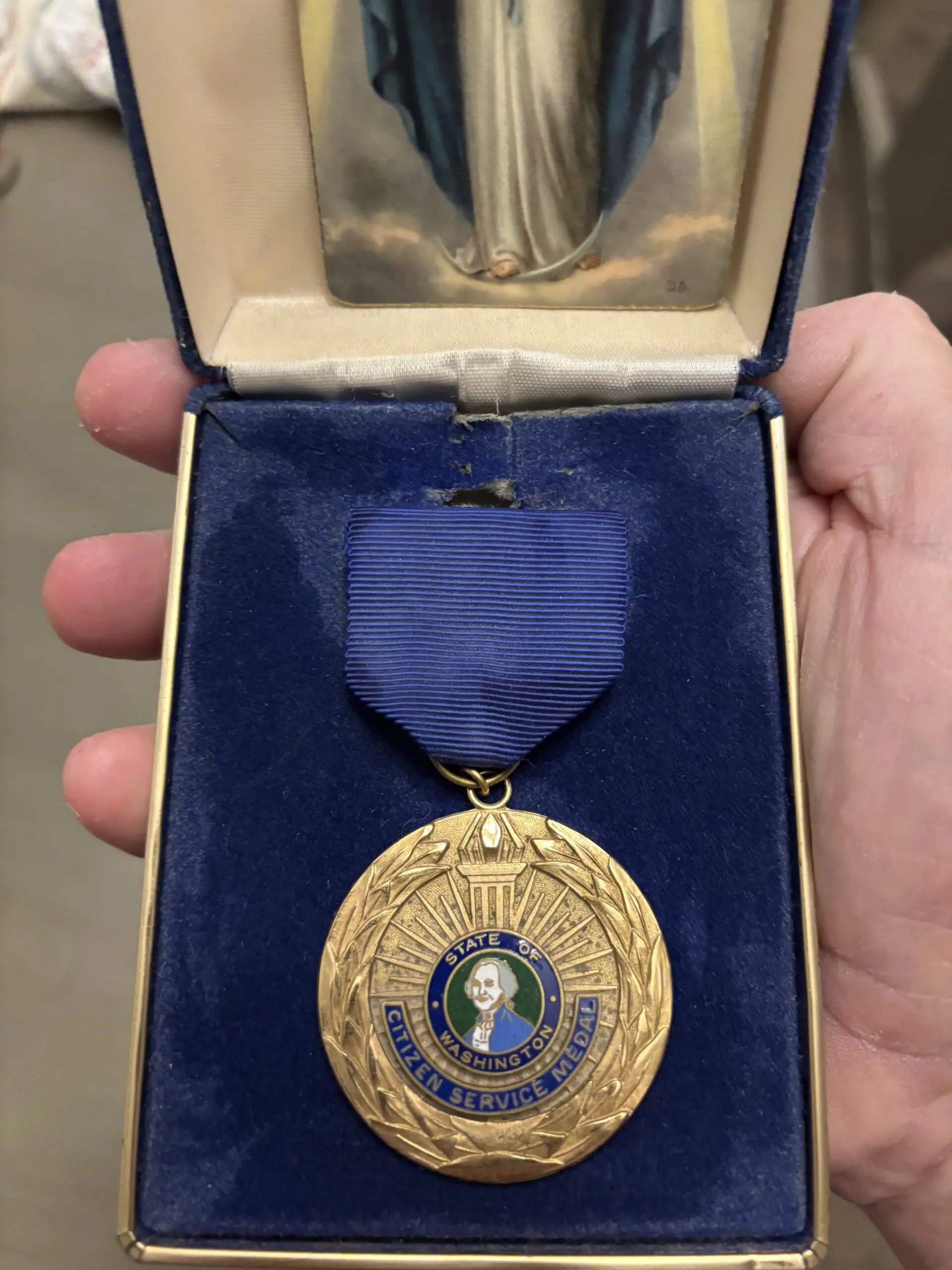
“Mrs. Graser’s courageous and selfless actions on April 5, 1972 have given these children the chance to experience a full and complete life,” the award stated.

That includes the rescued infant, today in her 50s. Back in 2008, Portland’s KATU-TV brought the survivor and Rick together to meet for the first time since the storm. The woman is now a mother herself.
“We’re here to tell you that we love you very much, and we’re so happy you’re alive,” Rick told her during the emotional meeting.
‘If we didn’t have tornadoes here, I’d still have a mother’
Now, to help keep his mother’s legacy alive, he’s speaking up every time someone shrugs off the risk of tornadoes in the Northwest.
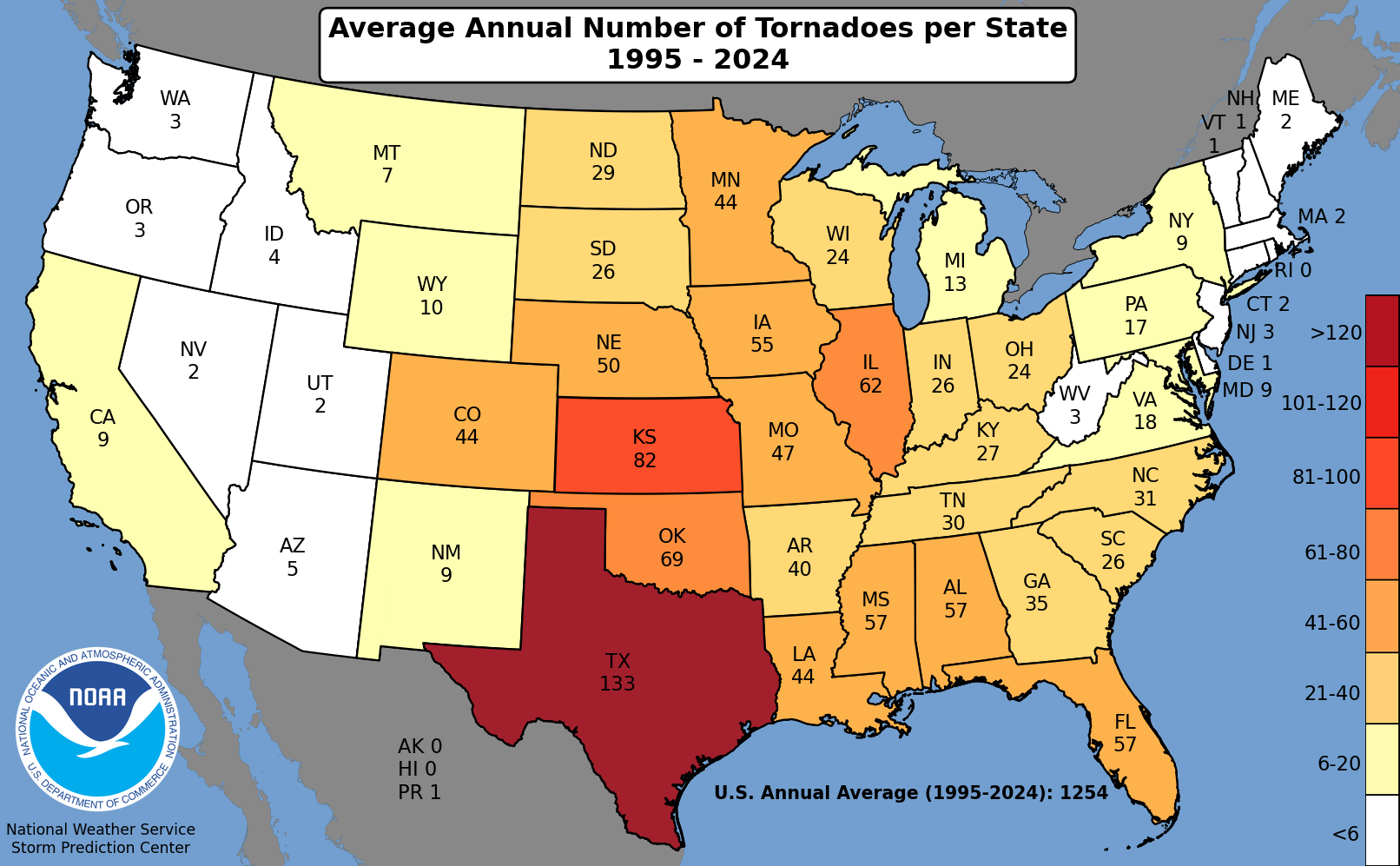
Both Washington and Oregon average about three tornadoes a year somewhere in the state.
“I see people online saying, ‘We don’t have tornadoes here,’ and I think, ‘If we didn’t have tornadoes here, I’d still have a mother.’ ” Rick said. “People in the Northwest need to know: yes, tornadoes can happen here. They’re freakish, they’re rare, but they can get big and they will kill you.”
The 1972 tornado remains the strongest and deadliest tornado on record across either Washington or Oregon. The National Weather Service eventually upgraded the tornado to an F3 rating with winds estimated between 162–209 mph. Graser said he was sure the winds were at least 250 mph.
“Look, I was 12 years old, but I know what I saw,” he said he told forecasters at the National Weather Service office in Portland years later. “Those winds were at least 250 mph. The way bricks, beams, bikes — everything — were flying around, the sections of brick wall still held together in the air… I knew that was no 140-mile-an-hour breeze.”
There were 740 reported tornadoes in the U.S. that year, but the Vancouver tornado tied with a tornado in Okeechobee County, Florida, as the deadliest of the year in the nation.
MORE: National Weather Service Report on Vancouver Tornado
Luckily, no other tornado on record in Washington or Oregon has caused more than one injury, but there have been several close calls.
Miraculously, no one was injured when an EF-2 tornado tore through Port Orchard, Washington, in December 2018, leaving several homes damaged.
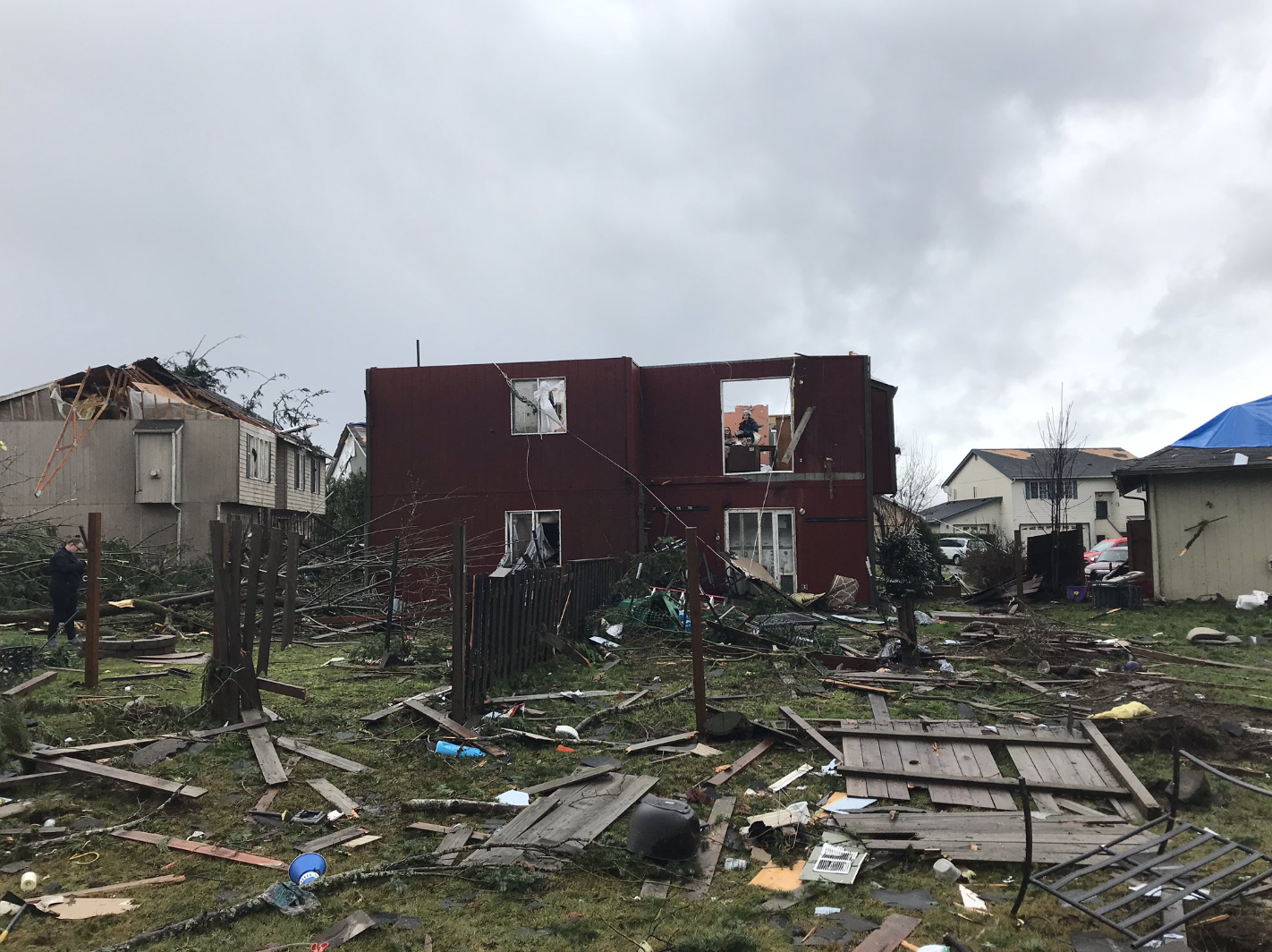
And believe it or not, Bill Gates — yes, THAT Bill Gates — was caught in a tornado that swept through the Seattle area in 1962. He was 7 years old at the time when a tornado went through Seattle’s View Ridge neighborhood and tore the carport out in front of his home and tossed it into his backyard, according to Historylink. It was the first ever confirmed tornado in Western Washington.
If you’re caught in a tornado, or hear a Tornado Warning, get into shelter immediately. Find an interior room on the lowest level of your home and try to put as many walls between you and the outside as you can. An interior bathroom, closet, or laundry room will work if you don’t have a basement or storm cellar available.
Rick Graser’s instincts that day likely saved his life.
And even though his mother didn’t make it, he takes solace in knowing she died a hero.
“More than anything, I want my mom to be remembered for what she did,” Rick said. “She didn’t run away. She stayed. She crawled under a collapsed building to save a baby and gave her life doing it. In a world that feels so dark and selfish sometimes, people need to hear stories like that — of someone who loved others enough not to leave those kids behind.”